PCB prototypes include surface-mount devices
Yes, PCB prototypes can indeed include surface-mount devices (SMDs), and incorporating them into the design is a common practice. Surface-mount devices are a type of electronic component designed to be mounted directly onto the surface of the PCB, as opposed to traditional through-hole components, which have leads that pass through the PCB and are soldered on the opposite side. SMDs offer several advantages over through-hole components, making them highly suitable for modern PCB prototypes, especially in applications where space is limited and performance demands are high.
One of the primary reasons surface-mount devices are frequently used in pcb prototype is their compact size. SMDs are much smaller than through-hole components, which allows for denser component placement on the PCB. This is particularly advantageous for devices that need to fit into tight spaces, such as mobile phones, wearables, or other compact consumer electronics. The ability to place more components within the same area means that the PCB prototype can be more efficient and cost-effective, leading to faster development and potential savings in both space and material costs.
Surface-mount devices are also known for their superior electrical performance, particularly in high-frequency applications. Since SMDs are placed directly on the PCB surface, they have shorter leads and less parasitic inductance and capacitance compared to through-hole components. This results in faster signal transmission, making SMDs ideal for high-speed circuits or other applications requiring precise signal integrity. In PCB prototypes designed for high-frequency or high-speed electronics, using SMDs can significantly improve performance and reliability.
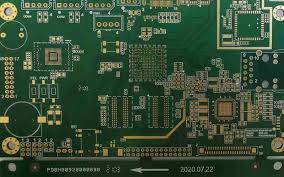
Can PCB prototypes include surface-mount devices?
Additionally, surface-mount technology (SMT) is compatible with automated assembly processes, which can significantly speed up the manufacturing and testing of PCB prototypes. During the assembly of a PCB prototype, automated pick-and-place machines can quickly and accurately place surface-mount components on the board. After placement, the components are soldered in place using reflow soldering, which is an efficient and precise method for soldering SMDs. This automation reduces the risk of human error and increases production efficiency, which is particularly beneficial when producing multiple iterations of a PCB prototype for testing and refinement.
However, designing a PCB prototype with surface-mount devices requires careful planning, as the smaller size and different mounting methods of SMDs present unique challenges. One challenge is ensuring that the PCB design accommodates the specific pad sizes and spacing required for the SMDs. The design also needs to account for the proper routing of traces to avoid interference with the components and to ensure that there is enough room for heat dissipation. Additionally, while SMDs are well-suited for automated assembly, their small size can make manual soldering more difficult, which can be a consideration during prototype testing or small-batch production.
Despite these challenges, many engineers prefer to use surface-mount devices in PCB prototypes due to their flexibility, efficiency, and performance advantages. With the increasing demand for compact, high-performance electronic devices, surface-mount technology has become a standard for most modern PCB designs, even in the prototype phase. By incorporating SMDs into the PCB prototype, engineers can test the circuit’s functionality, performance, and manufacturability early in the design process, allowing for more rapid iteration and refinement.
In conclusion, PCB prototypes can certainly include surface-mount devices, and doing so is a common practice in the development of modern electronic products. The advantages of SMDs, such as their small size, high-performance characteristics, and compatibility with automated assembly processes, make them an excellent choice for many PCB prototypes. While designing and assembling a PCB prototype with SMDs requires careful consideration of layout and soldering techniques, the benefits they offer in terms of space efficiency, signal integrity, and manufacturing speed make them an indispensable part of the PCB prototyping process.