flex circuit boards be used in wearable technology
The technology industry continues to innovate and wearable devices are no exception. The demands placed on these devices are often very high – requiring small form factors, light weight and low power consumption – while delivering a range of benefits to the consumer such as hands-free communication, fitness tracking and data collection, and enhanced security. The electronics in these devices need to be as compact as possible, which is where flex circuit boards come in.
A flex circuit boards is a thin printed circuit board that combines a copper conductive layer with a polyimide dielectric layer. The layers are bonded together using an adhesive and a lamination process. The end result is a very thin, flexible and durable circuit board that can be integrated into many different types of products.
Flex PCBs can be manufactured in a variety of ways, with some processes costing more than others. The choice of materials also impacts the overall price tag, with more advanced substrates and nanomaterials adding to the expense. Optimal material selection is key to balancing costs and performance requirements, especially for wearable devices.
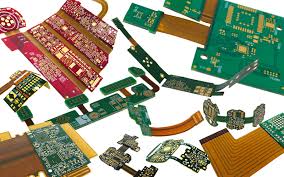
Can flex circuit boards be used in wearable technology
In multilayer flex circuits, the thickness of the copper traces affects how pliable the assembly is. The thicker the copper, the more difficult it is to bend the board. To increase pliability, designers may reduce trace thickness or cross-hatch the ground planes on both sides of the signal layers to decrease rigidity. Alternatively, mechanical stiffeners can be added to the flex PCB to make it more resilient to dynamic bending.
The type of flex PCB used in a wearable device also impacts its durability. For example, if the board will be immersed in water or another liquid, it must be resistant to corrosion and delamination. To protect against these environmental factors, a conformal coating can be added to the circuit board. Conformal coatings are typically applied to the outer surface of the flex circuit.
As the demand for flexible and wearable technology grows, PCB manufacturers must be ready to respond with the right technologies. Keeping up with innovation in this space requires a strong partnership between the PCB manufacturer and the EE and mechanical engineers who design the wearables. This can be achieved with a comprehensive PCB design tool like Altium Designer, available on the award-winning Altium 365 platform.
Altium Designer’s complete set of CAD features and automated drawing tools makes it easy to produce and share detailed, 3D design models with your team. Get started today by downloading a free trial of Altium 365. One of the primary benefits of flex circuit boards is their flexibility, allowing them to bend and conform to the shape of the device they are installed in. This flexibility opens up a myriad of design possibilities for products that require unconventional shapes or need to fit into tight spaces where traditional rigid PCBs would be impractical.