Flexible Circuit Board Manufacturer Production
With the advent of automated assembly processes, flex circuit board manufacturers have been able to significantly streamline their production. This is due to the fact that these processes help eliminate inefficiencies and reduce costs. In addition, automated PCB assembly helps to eliminate human errors that can result in costly mistakes that can hamper the quality of the finished product.
Among the many advantages of this process, it is cost-effective as it allows the manufacture to use an existing design drawing and avoid any changes in the layout during production. It also ensures that the resulting flex circuit board meets all required requirements, including timing, signal integrity, and noise immunity. This can be accomplished by ensuring proper component placement, controlled impedance traces, and advanced manufacturing techniques.
The automated process of assembling a flex circuit board manufacturers requires a high level of attention to detail and specialized equipment. It is an ideal solution for manufacturing a high-quality, robust, and reliable printed circuit board (PCB) that meets the requirements of different industries. However, the decision to implement this type of assembly process in a particular production line depends on the unique requirements of each project. This is why it is important to choose a contract manufacturer that has both the right type of automation equipment as well as the skilled manpower to utilize it.
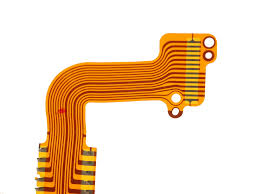
Automated Assembly Processes Streamline Flexible Circuit Board Manufacturer Production
Compared to manual assembly, which requires a significant amount of time to pick, place, and solder components on a flex circuit board, automated assembly is far more efficient and effective in the long run. Moreover, it provides a greater degree of consistency in component placement and soldering quality. This is particularly crucial when working with complex boards that require rigorous inspections and testing to meet certain requirements.
Standardized work procedures are another advantage of automated assembly. This can be achieved by establishing a set of rules for each stage in the assembly process and clearly communicating them to the workforce. Having the ability to monitor and control assembly speeds through the use of barcode scanners and other tracking devices can further streamline and optimize production lines.
It also enables the use of lean manufacturing practices like 5S, visual management, and Kanban systems to create an organized assembly environment that promotes efficiency and productivity. This can minimize waste by reducing unnecessary movement of materials and enhancing the visibility of inventory on the shop floor.
The final step in flex PCB assembly is to pass the assembled board through a reflow soldering oven. This heats the components and solder paste to a high temperature, melting them together and creating solid, rigid connections. After this, the board is inspected using a variety of automated optical inspection (AOI) and manual inspection methods to identify missing or incorrectly placed components, shorts, and dry solders.
Once the flex circuit board passes inspection, it can be delivered to the customer. This is typically followed by a functional test to ensure that the completed board meets the appropriate electrical and mechanical specifications.