fpc pcb be used in medical imaging devices
PCBs are incredibly important components in many devices and electronics, but they play an especially critical role in medical technology. Medical devices and equipment are often very small and require a large number of connections to function, so it’s essential that these devices use high-density interconnect (HDI) circuit boards. These types of PCBs pack a lot of wires into a small space, which allows the device to be much smaller while maintaining functionality and durability. The medical industry also often uses flex or rigid-flex PCBs, which can be very flexible and bendable.
These types of medical PCBs can be used in a wide range of devices, from simple to complex, for example, monitors and scanners for advanced imaging techniques. They are also crucial in medical devices that help physicians and healthcare professionals diagnose, treat, and care for patients. The technology behind these medical devices is evolving and growing more sophisticated, which is why it’s critical that they are able to work as efficiently as possible.
This type of PCB is also more reliable than traditional fpc pcb due to the fact that it reduces the amount of connections that can be made by minimizing the number of points where a wire may connect. This decrease in connection points increases reliability and safety, as it significantly reduces the chance of wire protection failure or a malfunction caused by human error.
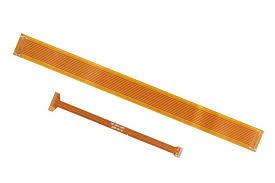
Can fpc pcb be used in medical imaging devices?
Additionally, FPCs are much thinner than standard PCBs, which allows them to fit into tight spaces such as those found in wearable devices and other medical equipment. This can help reduce the overall size of the device, saving materials and reducing production costs. They can also be printed with LEDs or other components directly on them to further reduce costs and improve performance. They also have the ability to withstand a wide range of temperatures, which makes them suitable for various medical applications and environments.
To ensure the safety of patients, all medical PCBs must meet a wide range of rigorous standards. This includes ensuring that they are RoHS compliant, which limits the use of harmful substances in the manufacturing process. In addition, it is critical that all components used in medical devices are UL certified and approved for the specific device.
Whether you’re designing new medical devices or need replacements for existing ones, PCBCart can manufacture and assemble the exact medical PCBs your business requires. You can reach out to us here to get started today!
There are three main kinds of PCBs: rigid, flex, and rigid-flex. Rigid PCBs are used in complex medical equipment, such as MRI machines. They feature rigid areas that hold the device’s components and rigid connectors, and flexible sections that allow for movement and connectivity to other devices. Flex PCBs are thin and flexible, which means they can be bent or folded without breaking. They can also connect to stiff PCBs using short, flat wires, reducing the need for bulky cables and connectors between hard boards. Rigid-flex PCBs combine the best of both rigid and flexible circuit boards, combining rigid areas with flexible sections that can be folded or bent for use in limited space applications.