prevent solder bridging during Pc board assembly
Solder bridging, a common issue encountered in PC board assembly, occurs when solder connects adjacent pads or leads, forming unintended electrical connections between them. This defect can compromise the functionality and reliability of electronic devices, leading to short circuits, signal interference, and potential system failures. Preventing solder bridging is essential for ensuring the integrity of solder joints and the overall quality of PC board assemblies. In this article, we explore best practices and techniques for mitigating solder bridging during PC board assembly.
One of the primary causes of solder bridging is excessive solder paste deposition, which can result from factors such as stencil design, solder paste viscosity, or printing parameters. To prevent solder bridging, manufacturers must carefully optimize the solder paste printing process to ensure precise control over solder paste volume and placement. This involves fine-tuning stencil aperture sizes, shapes, and thicknesses to achieve uniform solder paste deposition, as well as optimizing printing parameters such as squeegee pressure, speed, and angle.
Furthermore, ensuring proper alignment and registration between the stencil and the pc board assembly is critical for preventing solder bridging. Misalignment or skewing of the stencil during the printing process can lead to uneven solder paste deposition and increased risk of bridging between adjacent pads or leads. Manufacturers employ techniques such as fiducial marks, automated vision systems, and precision alignment mechanisms to ensure accurate stencil alignment and registration, minimizing the likelihood of solder bridging defects.
How do you prevent solder bridging during Pc board assembly?
Another effective strategy for preventing solder bridging is the use of solder mask or solder resist coatings on the PCB. Solder mask is applied to the surface of the PCB after solder paste printing and serves as a protective barrier, preventing solder from spreading beyond the designated pad areas during reflow soldering. By restricting solder flow and preventing contact between adjacent pads, solder mask helps reduce the risk of solder bridging and ensures the integrity of solder joints.
In addition to stencil design and printing parameters, optimizing reflow soldering profiles is crucial for preventing solder bridging during PC board assembly. Reflow soldering involves heating the PCB to a specific temperature to melt the solder paste and form reliable solder joints between components and the PCB. By carefully controlling reflow temperature profiles, ramp rates, and cooling rates, manufacturers can ensure uniform solder reflow and minimize the risk of solder bridging defects.
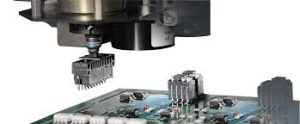
Furthermore, proper component placement and orientation are essential for preventing solder bridging during assembly. Components should be accurately placed on the PCB according to the manufacturer’s specifications, with adequate spacing between adjacent pads or leads to prevent solder bridging. Automated pick-and-place machines equipped with vision systems and intelligent algorithms can ensure precise component placement and orientation, minimizing the risk of solder bridging defects.
Moreover, thorough inspection and quality assurance processes are critical for detecting and addressing potential solder bridging defects before they impact product quality and reliability. Automated optical inspection (AOI) systems, X-ray inspection, and manual visual inspection techniques can identify solder bridging defects and other solder joint anomalies, enabling manufacturers to take corrective action and ensure compliance with quality standards.
In conclusion, preventing solder bridging during PC board assembly requires a comprehensive approach that encompasses stencil design optimization, precise solder paste printing, accurate stencil alignment, solder mask application, controlled reflow soldering, proper component placement, and rigorous quality assurance processes. By implementing best practices and techniques at each stage of the assembly process, manufacturers can minimize the risk of solder bridging defects and ensure the integrity and reliability of PC board assemblies.