certifications should a flexible PCB supplier have
When it comes to sourcing a flexible PCB manufacturer for your next project, there are a lot of considerations that go into making the right choice. You need to ensure that your selected supplier has the appropriate industry experience, certifications and more. In this article, we’ll take a look at 10 important questions to ask when vetting out your potential PCB suppliers.
The right flexible pcb supplier service provider should have the following certifications:ISO 9001 – This is an international standard that sets out quality management requirements. This includes a focus on continuous improvement and customer satisfaction.
IPC – This is an industry body that provides standards and guidance for electronic assembly and printed circuit board design, fabrication and testing. The IPC standards cover the full range of products and manufacturing processes, from bare boards to complete systems.
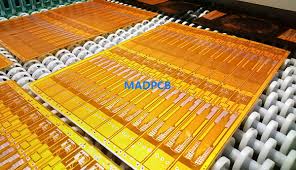
What certifications should a flexible PCB supplier have?
UL – This organization is known as the leading authority for product safety. It sets and enforces strict standards, including those for UL certified flexible printed circuits (FPCs). In addition to the FPCs themselves, UL certification also covers the components that go into them.
In order to be a reliable FPC supplier, the manufacturer should have the proper certifications and the equipment necessary to perform these services. For example, the facility should have the proper tools and machinery for soldering and etching. They should also be able to meet the industry’s current manufacturing standards, such as IPC J-STD-001.
The company should also have a good understanding of the industry, which can help them create high-quality products that will meet your needs. For instance, they should be familiar with the unique requirements of medical and military devices. They should also know how to work with different materials and be able to accommodate a variety of customizations, including environmental and electrical requirements.
Lastly, the company should be able to provide you with flexible PCBs that are durable and easy to use. This means they should be able to withstand vibrations and mechanical shocks, while also being able to be cut into custom shapes and sizes. They should also be able to offer fast and reliable delivery, even when they are working with overseas manufacturers.
Once you have identified a few potential manufacturers, it is important to evaluate them based on a number of criteria. These include their technical capabilities, production capacity, pricing, and lead times. You should also be able to tour their facilities and observe their manufacturing processes, quality systems, and testing capabilities.
This will allow you to make an informed decision about which supplier can best meet your product’s specifications within your constraints. For example, you should be able to verify that they can handle your desired quantities and timelines without overbooking themselves. If you can’t visit them in person, it is a good idea to establish regular communication with them so that they can answer any questions you may have. This will help ensure that your relationship with the manufacturer starts off on the right foot.